
8 Hammock Sleeping Tips for Beginners
Discover why more and more campers and outdoor enthusiasts are choosing a hammock instead of a tent. Sleeping under the stars, without uneven ground, moisture, or crawling creatures. It's not only wonderfully relaxing, but also has a surprising number of advantages.
With these practical tips, you'll get the most out of your hammock, whether you're hanging in the garden or camping in nature.
1. Sleep diagonally for more comfort
Don't lie directly between the two anchor points, but slightly diagonally. This makes your sleeping surface flatter, your body lies straighter, and prevents you from being pulled into a cocoon.

2. Be prepared for any weather
The weather is fickle. A good tarp and good insulation like a top and underquilt or sleeping bag will protect you from rain, cold, and wind, so you stay dry and warm in any situation.

3. Protect yourself with a bug net
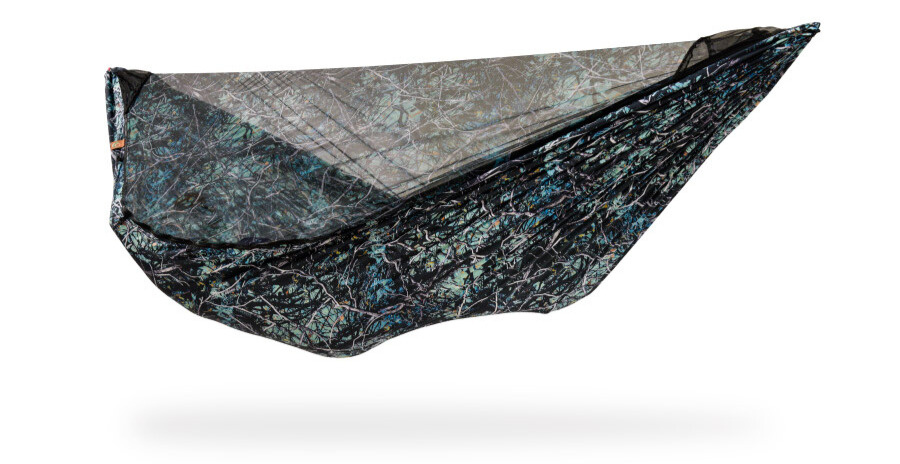
Insects can seriously disrupt a perfect night's sleep. A hammock with an integrated mosquito net or a separate net draped over it keeps buzzing and biting insects at bay without adding too much weight.
4. Ensure the correct sag
A tightly stretched hammock seems logical, but it's less comfortable to sleep in. A sag of around 30/35 degrees provides a much more relaxing sleeping position, especially when combined with a diagonal position.

5. Use a ridgeline for consistent comfort
With a ridgeline, you always maintain the same sag, regardless of how you hang the hammock. This means more convenience, more comfort, and less tension on the trees.
6. Stay warm with quilts
Quilts are the perfect way to stay warm while camping with a hammock. They insulate better than a sleeping bag or sleeping pad and give you more freedom of movement. Ideal for cold evenings and cool nights.

7. Add extra support where needed
Need extra support for your neck, knees, or lower back? Use a small pillow or your rolled-up clothes to support certain parts of your body. Small adjustments can make a big difference.
8. Create a drip line to protect against rainwater
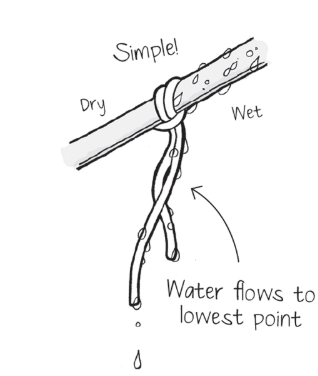
Hanging a tarp over your hammock? Then add a simple drip line: a piece of string tied in a knot that diverts rainwater so it doesn't end up under your tarp or near your hammock.
Hammock Sleeping: Comfortable? Absolutely!
With the right setup, materials, and techniques, a hammock is one of the most comfortable ways to sleep outdoors. Lightweight, flexible, and surprisingly relaxing.
Do you have questions about hammocks, suspension systems, or accessories? We're happy to help you find your perfect hammock experience.